The Importance of Emergency Pipeline Protectors in Safeguarding Philadelphia’s Infrastructure
Emergency Pipeline Protectors: Safeguarding Philly’s Infrastructure
Philadelphia, the City of Brotherly Love, is not only known for its rich history and vibrant culture but also for its extensive infrastructure network. From roads and bridges to water and gas pipelines, the city’s infrastructure plays a crucial role in supporting its residents and businesses. However, with the increasing threats of natural disasters and human-induced accidents, it has become imperative to safeguard this infrastructure. This is where emergency pipeline protectors come into play.
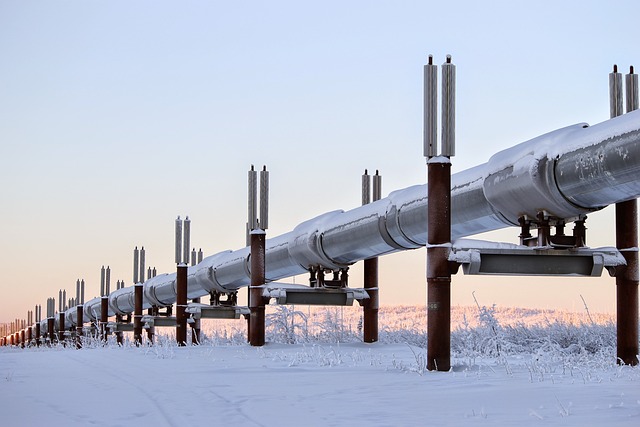
Emergency pipeline protectors are advanced systems designed to detect and respond to potential threats to pipelines promptly. These threats can range from leaks and ruptures to unauthorized access and sabotage. By deploying these protectors, Philadelphia can ensure the safety and reliability of its pipeline network, preventing potential disasters and minimizing the impact of any unforeseen incidents.
One of the primary benefits of emergency pipeline protectors is their ability to detect leaks and ruptures in real-time. These protectors are equipped with state-of-the-art sensors that can detect even the smallest changes in pressure or flow within the pipelines. As soon as a leak or rupture is detected, the protectors send an immediate alert to the relevant authorities, allowing them to take swift action and prevent any further damage.
Moreover, emergency pipeline protectors also play a crucial role in safeguarding Philadelphia’s infrastructure from unauthorized access and sabotage. These protectors are equipped with advanced security features, such as tamper-proof locks and intrusion detection systems. Any attempt to tamper with or breach the pipelines triggers an alarm, alerting the authorities and enabling them to respond promptly. This not only prevents potential acts of sabotage but also ensures the integrity of the pipeline network.
In addition to their detection and security capabilities, emergency pipeline protectors also provide valuable data and insights to help improve the overall infrastructure management. These protectors collect and analyze data on pipeline performance, including pressure levels, flow rates, and temperature. This data can be used to identify potential maintenance issues, optimize pipeline operations, and enhance the overall efficiency of the infrastructure network.
Furthermore, emergency pipeline protectors can also be integrated with advanced communication systems, enabling seamless coordination between different stakeholders during emergencies. In the event of a pipeline incident, these protectors can automatically notify emergency response teams, utility companies, and other relevant parties. This ensures a coordinated and efficient response, minimizing the impact on the community and facilitating a swift recovery.
It is worth noting that emergency pipeline protectors are not a luxury but a necessity in today’s world. The increasing frequency and severity of natural disasters, as well as the growing threats of terrorism and vandalism, make it imperative for cities like Philadelphia to invest in robust infrastructure protection systems. By deploying emergency pipeline protectors, the city can ensure the safety of its residents, protect its valuable assets, and maintain the uninterrupted flow of essential services.
In conclusion, emergency pipeline protectors play a vital role in safeguarding Philadelphia’s infrastructure. These advanced systems detect and respond to potential threats, such as leaks, ruptures, unauthorized access, and sabotage, in real-time. They provide valuable data and insights for infrastructure management and enable seamless coordination during emergencies. As Philadelphia continues to grow and evolve, investing in emergency pipeline protectors is crucial to ensure the safety, reliability, and resilience of its infrastructure network.